Tomato Paste vs Tomato Puree: Industrial Formulation Guide
Food technologists frequently debate whether to specify tomato puree or double-concentrated tomato paste when formulating sauces, gravies, and ready meals.
Brix Concentration Comparison - **Tomato Puree**: Concentrated to between 12° and 14° Brix. Represents strained tomato pulp with natural moisture levels preserved. - **Tomato Paste**: Double-concentrated under vacuum to between 28° and 30° Brix (or triple-concentrated to 36-38 Brix).
Economic and Logistics Impact Shipping 28-30 Brix tomato paste in 215kg aseptic drums significantly reduces freight cost per unit of active tomato solids. Upon reaching the factory floor, paste can be diluted with water to desired recipe Brix.
Bostwick Viscosity & Heat Break Hot break processing yields thick tomato paste with high pectin retention, ideal for ketchup stability. Cold break processing preserves fresh tomato flavor and bright red color, ideal for juices and delicate sauces.
Fasalix supplies both 12-14 Brix aseptic tomato puree and 28-30 Brix hot break tomato paste.
Related Fasalix Products Mentioned in Article
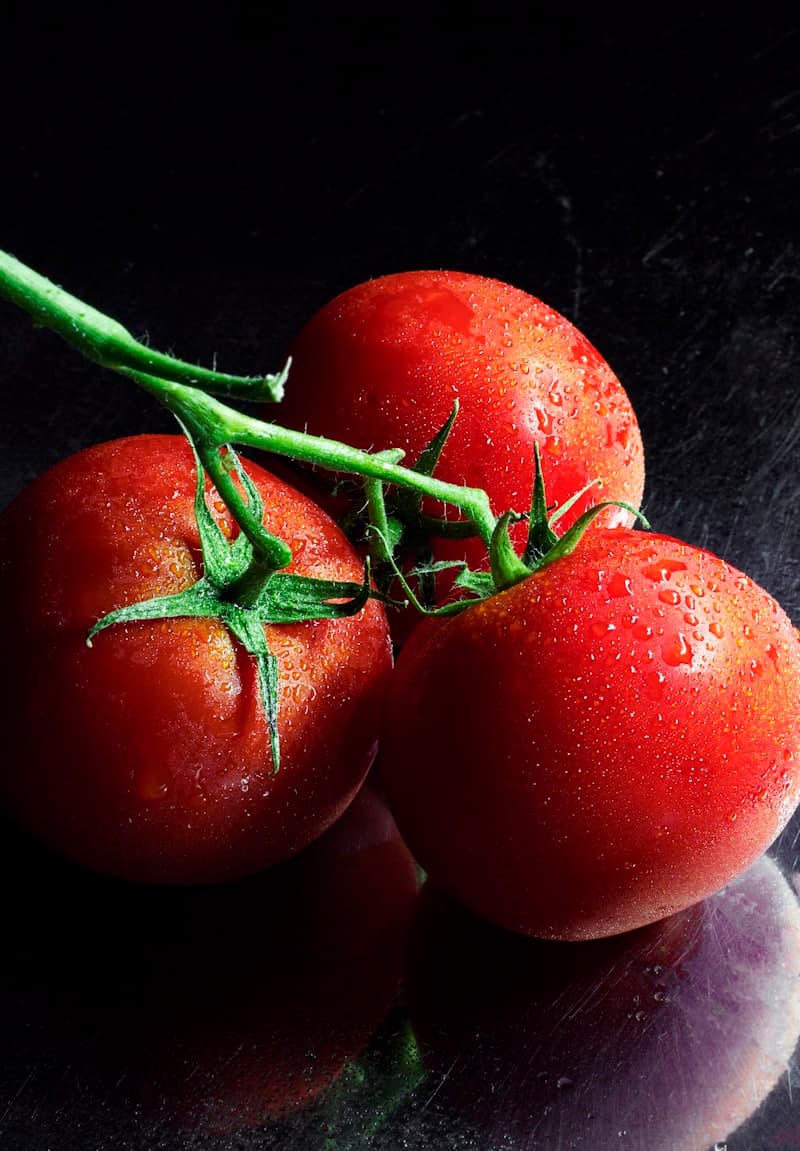
Tomato Puree
Natural Tomato Puree (12° to 14° Brix)
Smooth, concentrated tomato puree made from ripe vine tomatoes. Natural red color, balanced acidity, and zero added preservatives for food processing.
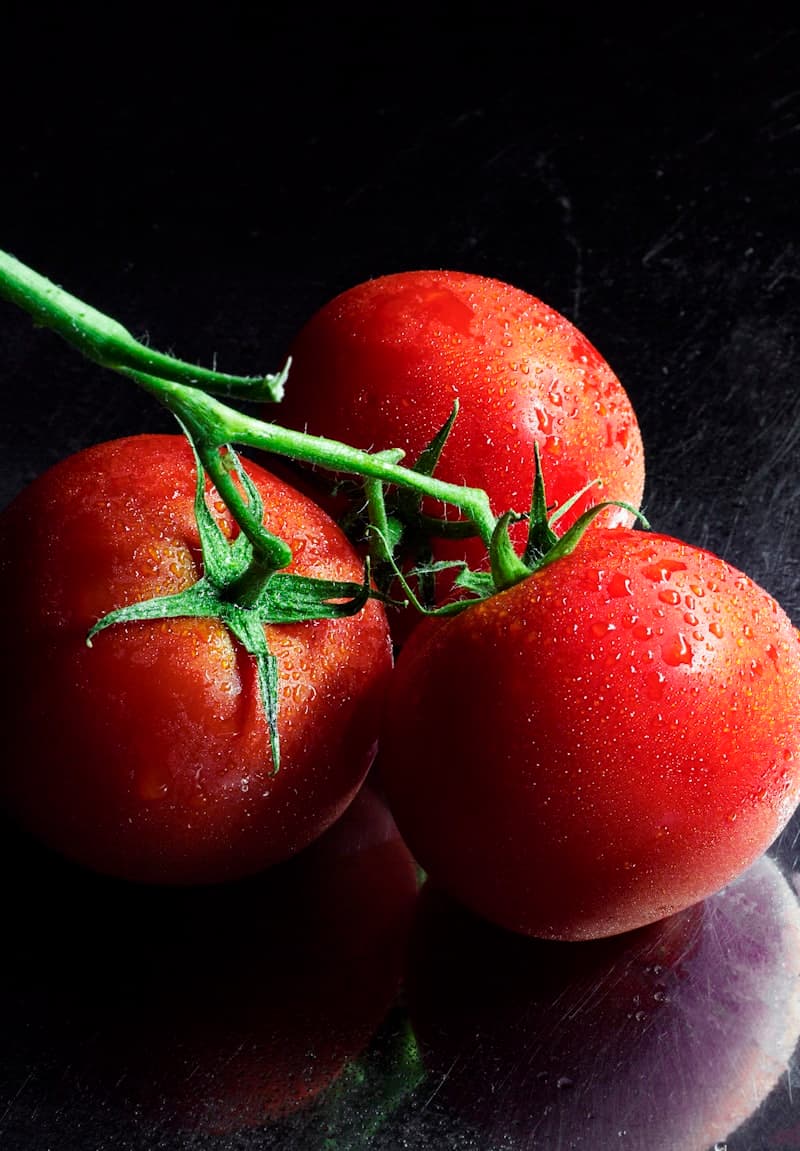
Tomato Paste
Double Concentrated Aseptic Tomato Paste (28° to 30° Brix)
High-density double concentrated tomato paste processed from vine-ripened red tomatoes. Rich lycopene content and heavy body for ketchup and sauce manufacturing.
About Author: Sarthak Mukati
Founder & Agricultural Processing Specialist leading post-harvest processing and technical quality control at Fasalix in Barwani MP.